
Phone: +254786255866 | Email: info@clickandgobuilders.com


The Complete Guide to Building a House in Kenya: Planning, Costs, Contractors, and Common Mistakes to Avoid
Building a house in Kenya is one of the most significant investments for individuals, families, and property developers. Whether you are constructing a personal home, rental units, or a commercial property, the building process requires careful planning, informed decision-making, and the right professional support.
For many people, construction challenges arise due to poor planning, unreliable contractors, unclear costs, and lack of coordination. This guide provides a comprehensive overview of how to approach building in Kenya, what to expect at each stage, and how to avoid common mistakes that delay or derail projects.
Understanding the Construction Process in Kenya
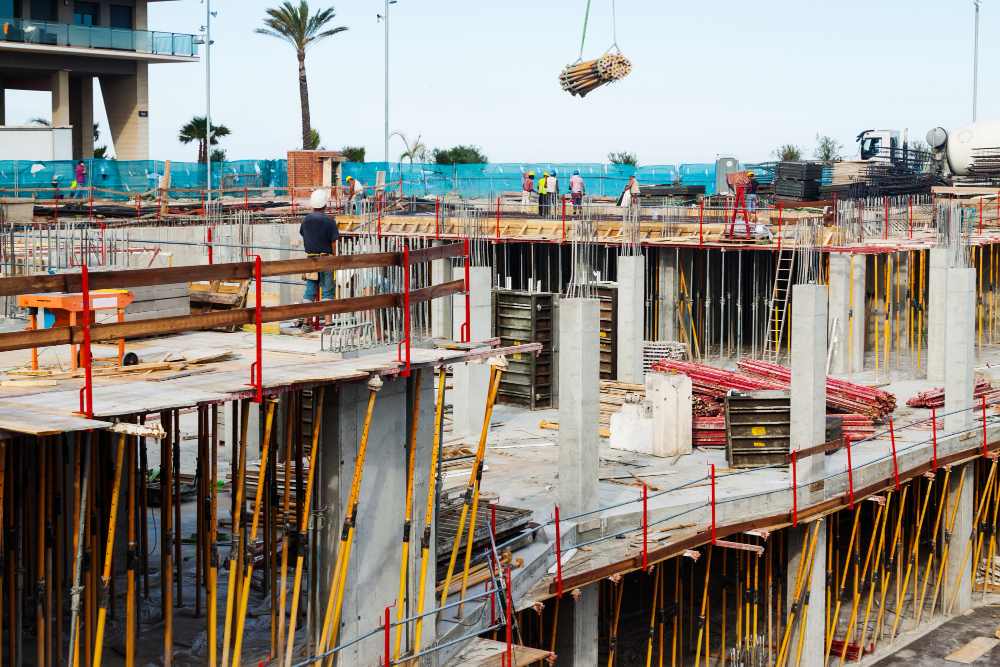
Construction in Kenya follows a structured process that begins long before actual building works start. The journey typically starts with land preparation and project planning, followed by architectural and structural design, approvals from relevant authorities, contractor engagement, construction execution, and finishing works.
Each stage plays a critical role in determining the quality, cost, and success of the project. Skipping steps or rushing decisions often results in design errors, legal issues, or cost overruns. A well-organized process ensures smoother execution and better outcomes.
Planning and Design: The Foundation of Every Successful Build
Proper planning and design form the backbone of any successful construction project. Architectural drawings outline the layout, functionality, and appearance of the building, while structural drawings ensure strength, safety, and compliance with engineering standards.
In Kenya, approved drawings are mandatory for county government approvals and are also required when connecting utilities such as water and electricity. These drawings help contractors estimate costs accurately and reduce misunderstandings during construction.
Good design also considers factors such as land size, zoning regulations, future expansion, environmental conditions, and budget limitations. Investing in professional design services at the start minimizes costly changes during construction.
Approvals and Compliance Requirements
Before construction begins, projects must comply with county government regulations and other statutory requirements. These approvals confirm that the proposed building meets safety, environmental, and planning standards.
Failure to obtain approvals can result in penalties, stop orders, or even demolition. Many property owners experience delays because they underestimate the importance of this stage or rely on unqualified individuals to handle approvals.
Working with experienced professionals who understand approval procedures helps avoid unnecessary delays and legal challenges.
Understanding Construction Costs in Kenya
Construction costs in Kenya vary based on several factors including location, design complexity, material choices, labor costs, and finishing standards. Urban areas such as Nairobi generally have higher costs compared to rural regions.
Costs are typically broken down into design fees, approvals, materials, labor, supervision, and contingency expenses. Budgeting without a contingency margin exposes projects to financial strain when unexpected issues arise.
Clear cost breakdowns and realistic budgeting help clients maintain control and make informed decisions throughout the project lifecycle.
Hiring Contractors and Skilled Fundis
Finding reliable contractors and skilled fundis is one of the biggest challenges in construction. Many clients face issues such as poor workmanship, missed deadlines, and project abandonment when working with unverified providers.
Different stages of construction require different skills, including masonry, roofing, electrical works, plumbing, interior finishing, and exterior works. Hiring the right professional for each task is essential for quality and safety.
Using a professional connection platform like Click & Go Builders Solutions simplifies this process by matching clients with suitable experts based on project requirements.
Managing Construction Works Effectively
Construction projects involve coordination between multiple professionals, suppliers, and timelines. Effective management ensures that materials are delivered on time, work is executed according to drawings, and quality standards are maintained.
Poor supervision often leads to wasted materials, structural issues, and increased costs. Even small residential projects benefit from proper coordination and oversight.
Clear communication, regular progress checks, and documentation are essential components of successful project management.
Interior Works and Finishing
Interior works define the comfort, functionality, and visual appeal of a building. These include gypsum ceiling designs, painting works, flooring, kitchen installations, cabinetry, doors, electrical fittings, and plumbing installations.
Poor-quality interior finishes can compromise safety and durability. Engaging skilled professionals ensures proper installation and long-lasting results.
Interior finishes should align with the overall design, budget, and intended use of the property.
Exterior Works and Outdoor Services
Exterior works enhance both the appearance and functionality of a property. Common exterior services include cabro paving, landscaping, roofing works, car shades, fencing, bio-digesters, septic systems, and water solutions such as borehole drilling.
These services require specialized expertise and proper planning to ensure durability and compliance with environmental standards.
Well-executed exterior works improve property value and usability.
Building in Kenya as a Diaspora or International Client
Many Kenyans living abroad invest in property back home but face challenges related to distance, trust, and communication. Managing construction remotely requires reliable professionals, regular updates, and transparent reporting.
Technology, virtual consultations, and professional coordination make it possible to manage projects effectively from abroad. Working with a trusted platform reduces risk and ensures accountability.
International clients benefit from having a central point of contact coordinating different services.
Common Mistakes to Avoid When Building in Kenya
Some of the most common mistakes include starting construction without approved drawings, underestimating costs, hiring unqualified fundis, neglecting supervision, and making frequent design changes during construction.
Another major mistake is choosing service providers based solely on low cost rather than experience and reliability. Poor workmanship often leads to higher long-term expenses.
Avoiding these mistakes requires planning, professional guidance, and informed decision-making.
The Role of a Professional Service Connection Platform
Construction projects involve multiple services, and managing them individually can be overwhelming. A professional connection platform brings these services together, making it easier to access the right expertise at each stage.
Click & Go Builders Solutions connects clients with vetted professionals across planning, construction, finishing, and specialized services. This approach saves time, reduces uncertainty, and improves project outcomes.
Contact Click & Go Builders Solutions
For professional support, service connections, or project coordination in Kenya or internationally, reach out to:
Company: Click & Go Builders Solutions
Phone: +254717787677 / +254743287416
Email: info@clickandgobuilders.com
Contact Page: https://clickandgobuilders.com/contact/